This post contains Amazon affiliate links. As an Amazon Influencer, I earn a small commission from qualifying purchases at no extra cost to you. I only recommend books I genuinely believe in.
I want to talk about something I don’t think we discuss enough: the resources we lean on while raising our kids.
Parenting is hard. Black parenting carries extra weight. There’s the regular stuff tantrums, homework, figuring out what to cook for dinner when nobody agrees on anything. And then there’s everything else. The conversations about race we have to start earlier than we’d like. The systems we have to navigate that weren’t designed with our kids in mind. The fears that keep us up at night.
A 2024 Gallup survey found that 59% of Black parents with children under age 7 talk to their kids about racial challenges often or sometimes. We’re having these conversations. What we don’t always have is a map.
That’s where books come in. Not because they have all the answers. But because reading someone who has lived it, or studied it deeply, can shift how you see your own situation. These 12 books have done that for me.

Key Takeaways
→ 59% of Black parents with children under 7 actively discuss racial challenges with their kids, yet culturally specific parenting resources remain limited (Gallup/UNC, 2024)
→ Only 16% of children’s books received by the CCBC in 2024 had significant Black representation — progress is real, but so is the gap (CCBC/UW-Madison, 2025)
→ These 12 books cover racial trauma healing, raising confident Black boys, cultural identity, intentional parenting, and non-violent discipline — written by or for the Black parenting experience
→ Several titles include Amazon affiliate links; purchasing through them supports this blog at no extra cost to you
Why Black parents need their own parenting resources
General parenting books aren’t written for us. They’re written for a default that doesn’t include navigating racial trauma, explaining systemic racism to a five-year-old, or raising Black sons in a world that will profile them.
The numbers make the case clearly. Only 1 in 3 Black Americans who need mental health care can access it, according to the National Alliance on Mental Illness. Only 4% of psychologists in the U.S. are Black (APA, 2022). We’re not operating in a system that was built with our mental health in mind, which means we often have to build our own toolkit.
Research confirms that racial discrimination significantly predicts anxiety in Black children as young as 7 (PMC, 2023). And a 2022 study found that 57% of African American mothers of preschoolers had experienced at least one form of racial discrimination — directly linked to increased parenting stress (Medical Xpress, 2022). Our stress doesn’t exist in a vacuum. It has context. And the right books can help you understand that context and work through it.
On the reading side: the Cooperative Children’s Book Center at UW-Madison tracks diversity in children’s publishing every year. In 2024, for the first time, more than half (51%) of books they received had significant BIPOC representation — up from 46% in 2022 (CCBC/UW-Madison, March 2025). Progress. But only 16% had specifically significant Black representation. The gap is still real.
Source: CCBC Diversity Statistics, UW-Madison School of Education
12 parenting books for Black parents worth reading
These aren’t ranked, every one of them has something specific to offer depending on where you are in your parenting journey. A few have Amazon affiliate links; I’ve marked those clearly.

My Grandmother’s Hands
This one isn’t technically a parenting book. But I’d argue it’s essential reading before any of the others. Resmaa Menakem writes about how racial trauma lives in the body not just the mind. How it gets passed down through generations not through stories, but through nervous systems. Reading it, I found myself thinking about my own parents, my own reactions, and what I might be carrying into my relationship with my boys without even knowing it. Research confirms this is real: intergenerational trauma in Black families produces symptoms similar to PTSD, including anxiety, hypervigilance, and emotional dysregulation (Journal of Marital and Family Therapy, 2023). Menakem gives you a framework and actual somatic practices for doing something about that.
- How racial trauma becomes embodied and passes between generations
- Practical healing exercises you can do at home
- A way to understand your own reactions as a parent with more compassion

Parenting for Liberation
Trina Greene Brown wrote this one specifically for Black parents, and it shows. This isn’t advice written from a neutral perspective it’s rooted in the reality of what we’re actually trying to do: raise kids who love themselves fully, without waiting for anyone’s permission. The book centers on the idea that liberation isn’t just a political concept. It’s something we cultivate at home, every day, in how we talk to our kids and what we teach them to expect from the world.
- How to nurture cultural pride as a daily practice, not just a holiday activity
- Strategies for building self-love and resilience from an early age
- Ways to talk about systemic racism without creating fear or helplessness

Why Are All the Black Kids Sitting Together in the Cafeteria?
If you’ve ever wondered how early to start talking about race with your kids, the research says earlier than most people think. A 2025 scoping review of 168 studies found that infants and toddlers demonstrate ethnic-racial awareness as early as birth to age 3 (PMC, 2025). Tatum’s work explains why that matters and what to do with it. Beverly Daniel Tatum is a psychologist and former college president, and this book has been foundational in racial identity theory since 1997. The updated 2017 edition addresses social media and modern racial dynamics. It breaks down how racial identity develops at different ages giving parents an actual framework for when and how to have these conversations. I keep coming back to this one.
- How racial identity develops in children from toddlerhood through adolescence
- Age-appropriate strategies for talking about race, racism, and identity
- Why peer groups matter for Black children’s sense of self — and how to support that

What Every Black Parent Needs to Know
Marita Golden doesn’t soften the reality. This book is about what our sons are up against, and what we can do about it. It’s focused specifically on institutionalized racism — not as an abstract concept, but as something Black boys encounter in schools, in neighborhoods, in encounters with law enforcement. If you have a Black son, this book belongs in your home. It’s not easy to read. But the tools it gives you for advocacy — inside and outside school systems — are real.
- How to advocate for your son inside institutions that weren’t built with him in mind
- Building a support network that acts as a buffer against systemic barriers
- How to talk to your son about the realities he’ll face without taking away his confidence

Saving Our Sons
Where the previous Marita Golden title focuses on systems, this one gets more personal. It’s a comprehensive guide to the everyday work of raising Black boys — building their confidence, helping them process emotions, and preparing them for a world that will make assumptions about who they are before they say a word.
- Day-to-day strategies for nurturing resilience and confidence in Black boys
- How to address the emotional labor of being a Black child without dismissing it
- Tools for handling the specific pressures Black boys face in school settings

Raising Confident Black Kids
What I appreciate about MJ Fievre is that she gives you specifics. Not just inspiration to raise a confident child — but actual techniques. How to phrase things. How to set up environments. How to respond when your child comes home with their self-worth dented. This one is useful for parents and educators alike. The strategies are practical enough to start using immediately.
- Concrete techniques for building and protecting your child’s self-esteem
- How to create home environments that champion positive identity
- Ways to collaborate with teachers and schools to support your child’s development

My Brown Baby
This one reads like a conversation with a friend who has lived it and isn’t going to pretend everything is fine. Denene Millner’s essay collection is honest about the messy, beautiful, complicated experience of raising Black children. The essays don’t all have neat conclusions. Some of them just name something true and let it sit. That’s exactly what I needed when I first read it.
- Essays that reflect the full range of Black parenthood without romanticizing or minimizing
- Moments of recognition — the “someone else feels this too” feeling that makes a real difference
- A cultural celebration of Black family life that actually looks like your life

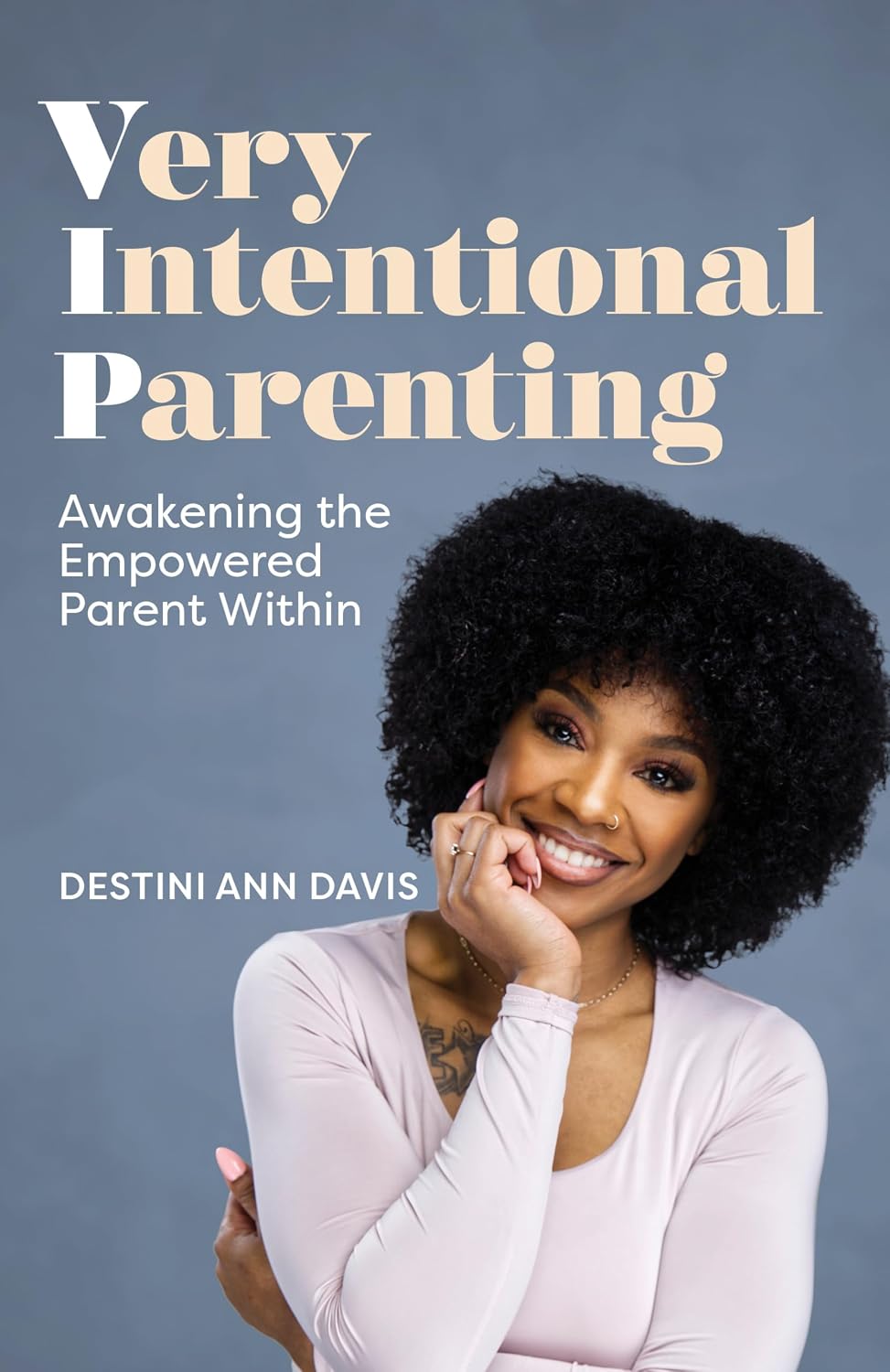
Very Intentional Parenting
I needed this book for the days when I’m not really parenting I’m just responding to whatever’s happening and hoping I don’t mess it up. Destini Ann Davis is about slowing that down. Being deliberate. Asking yourself what you actually want your parenting to look like and working backward from that. For Black parents especially, intentionality matters. We’re often parenting against a backdrop of stress racial stress, financial stress, the invisible mental load of advocating for our children in systems that don’t see them clearly. This book helps you parent from your values instead of your overwhelm.
- How to define your own parenting values and use them as a north star
- Strategies for being more present on the hard days
- Tools for reflecting on patterns you might want to change

Black Pearls for Parents
Think of this one as a daily check-in. Eric V. Copage wrote it as a meditation and affirmation book short daily entries designed to ground and encourage Black parents through every stage of the journey. It’s not a cover-to-cover read. It’s more of a “open to today’s page and take what you need” kind of book. On days when everything feels like too much, it’s the reminder that you have more strength than you realize.
- Daily affirmations rooted in Black cultural heritage and wisdom
- Encouragement that speaks specifically to Black parents’ experience
- A short daily practice that takes 5 minutes but sticks with you longer
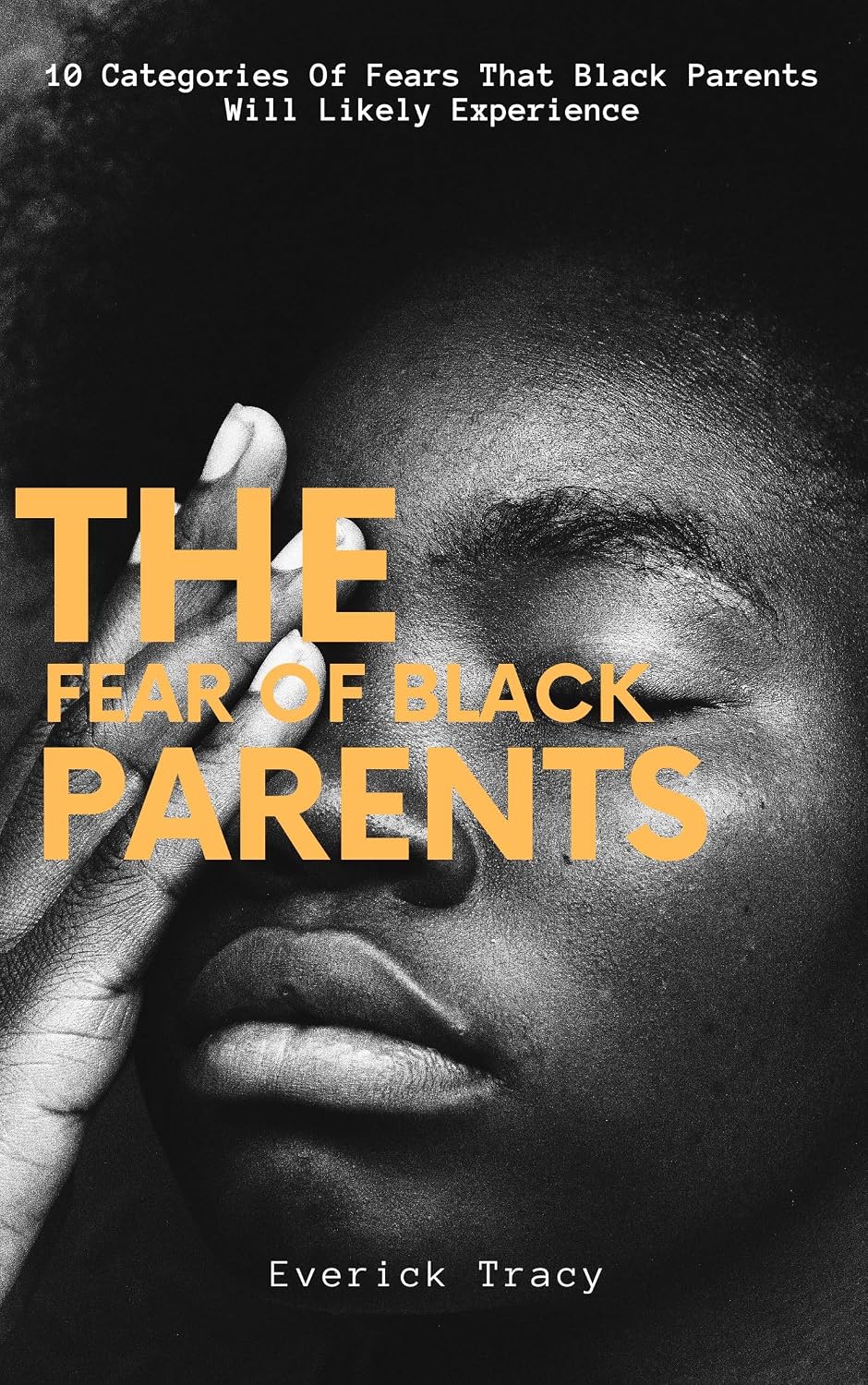
The Fear of Black Parents
The fear is real. The worry about our children’s safety, their future, what they’ll face when they walk out the door is something most Black parents carry every single day. Everick Tracy names that fear directly — and then works through it. This isn’t a book that tells you not to be afraid. It’s one that helps you understand where the fear comes from, what it’s protecting, and how to keep it from running your parenting decisions.
- How to identify the specific fears that are driving your parenting choices
- Strategies for managing anxiety without passing it on to your children
- How to build a support system that helps carry some of that weight

Spare the Kids
I know this one feels sensitive. Bear with me. Stacey Patton doesn’t approach physical discipline with judgment — she approaches it with history and research. Her argument is that the rates of corporal punishment in Black communities are not a cultural tradition but a legacy of racial terror, something passed down through survival rather than chosen. That reframe alone is worth the read. The research backs her core claim: a meta-analysis of 75+ studies found spanking associated with higher aggression and lower mental health in children over time (PMC/Gershoff & Grogan-Kaylor). In 2018, the American Academy of Pediatrics officially opposed all forms of corporal punishment (AAP, 2018). This book isn’t about shaming anyone. It’s about giving you information — and alternatives.
- The historical context behind high rates of corporal punishment in Black communities
- What the research says about the long-term effects of physical discipline
- Alternative strategies for discipline that actually build the relationship you want with your child

To Black Parents Visiting Earth
The title says it all. There’s something about Black parenting that can feel like you’re operating in a world that wasn’t made for you or your children. Janet Christine Stickmon leans into that. This one blends practical guidance with cultural and spiritual depth. It’s for the parent who wants to raise a child with strong roots and enough confidence to grow wherever they go.
- How to hold onto cultural heritage while raising children in a changing world
- Strategies for preparing kids to thrive without losing who they are
- A thoughtful, layered perspective on modern Black parenthood
What these books taught me as a Black autism mom

As a mother of two boys one with autism, ADHD, and sensory processing disorder, and one with sensory processing disorder I came to these books from a specific place. I wasn’t just looking for parenting advice. I was looking for parenting advice that understood what it means to raise Black children in America, while also navigating systems that make everything harder than it should be.
What I found across all of these books is something I didn’t expect: permission. Permission to take up space. Permission to be angry and still be a good mom. Permission to not have it figured out.
Books have been a real resource for me. Not because they replaced therapy or community or hard conversations with my husband. But because they gave me language for things I was already feeling. They helped me understand my boys better. They helped me understand myself better.
And that second part matters more than I originally thought.
What books have found their way into your home? Which titles have stayed with you? Drop a comment below or reach out on Instagram. I’d love to hear what you’re reading — and what you’d add to this list.
Love and light,
Kisha
Kisha Gulley is an autism advocate and lifestyle blogger based in Phoenix, AZ. She created The Kisha Project to empower Black mothers navigating autism, culture, and parenthood. Read more: special needs mom self-care, IEP meeting questions, autism books featuring Black characters, and Black autism awareness.
Frequently asked questions about parenting books for Black parents
The best parenting books for Black parents address the specific realities of raising Black children including racial identity development, navigating systemic racism, protecting Black children’s mental health, and building cultural pride. The 12 books in this list cover all of those dimensions: My Grandmother’s Hands by Resmaa Menakem for understanding intergenerational racial trauma, Why Are All the Black Kids Sitting Together in the Cafeteria? by Beverly Daniel Tatum for racial identity development, Parenting for Liberation by Trina Greene Brown for raising children with a liberated sense of self, and Very Intentional Parenting by Destini Ann Davis for values-driven parenting on the hard days. The full list above is organized by what each book does best, not by ranking.
Yes, several books on this list speak directly to the Black maternal experience. My Brown Baby by Denene Millner is an essay collection written from a Black mother’s perspective about the full complexity of raising Black children. Parenting for Liberation by Trina Greene Brown centers Black mothers as the primary audience. The Fear of Black Parents by Everick Tracy addresses the specific anxieties Black mothers and fathers carry about their children’s safety. And Black Pearls for Parents by Eric V. Copage functions as a daily companion for any Black parent needing grounding and encouragement. For more resources written by and for Black mothers, read my posts on special needs mom self-care and maternal mental health.
Earlier than most people think. A 2025 scoping review of 168 studies found that infants and toddlers demonstrate ethnic-racial awareness as early as birth to age 3 (PMC, 2025). A 2024 Gallup survey found that 59% of Black parents with children under age 7 are already discussing racial challenges with their kids often or sometimes. Beverly Daniel Tatum’s Why Are All the Black Kids Sitting Together in the Cafeteria? provides the most practical framework for having age-appropriate conversations at every developmental stage, from toddlerhood through adolescence. The short answer: start now, in age-appropriate language, and build on those conversations over time.
The best books for raising confident Black boys depend on what specifically you’re navigating. For understanding systemic barriers your son will face: What Every Black Parent Needs to Know by Marita Golden. For practical day-to-day confidence building: Saving Our Sons also by Marita Golden and Raising Confident Black Kids by MJ Fievre. For the fear and anxiety that comes with raising Black sons specifically: The Fear of Black Parents by Everick Tracy. And for the foundational work of understanding what you may be carrying into your parenting: My Grandmother’s Hands by Resmaa Menakem, which matters enormously for how you model confidence and emotional regulation for your sons.
Yes, and this category of book may be the most important starting point for Black parents. My Grandmother’s Hands by Resmaa Menakem is the definitive resource on how racial trauma becomes embodied and passes between generations, and includes practical somatic healing exercises. Research published in the Journal of Marital and Family Therapy (2023) confirms that intergenerational trauma in Black families produces symptoms similar to PTSD including anxiety, hypervigilance, and emotional dysregulation. Understanding what you’re carrying, and having tools to work through it, directly affects how you parent. Menakem’s book is the place to start.
Black parents raising autistic children are navigating two intersecting systems that were not built with their family in mind and the books on this list provide the racial parenting foundation that makes everything else more manageable. For autism-specific resources, read my full list of autism books featuring Black characters, which includes both children’s books and parent reads specifically curated for Black autism families. For navigating school systems, my guide to questions to ask at an IEP meeting is the most practical starting point. The combination of racial identity parenting books and autism-specific resources gives Black autism families the fullest toolkit available.



Leave a Reply